For comprehensive digital dentists
You’ve invested in digital dentistry. Is it paying you back?
Your scanner, your records and your diagnosis see far more than your patients currently choose. I help comprehensive dentists turn digital diagnosis into accepted care, and into a practice that performs.
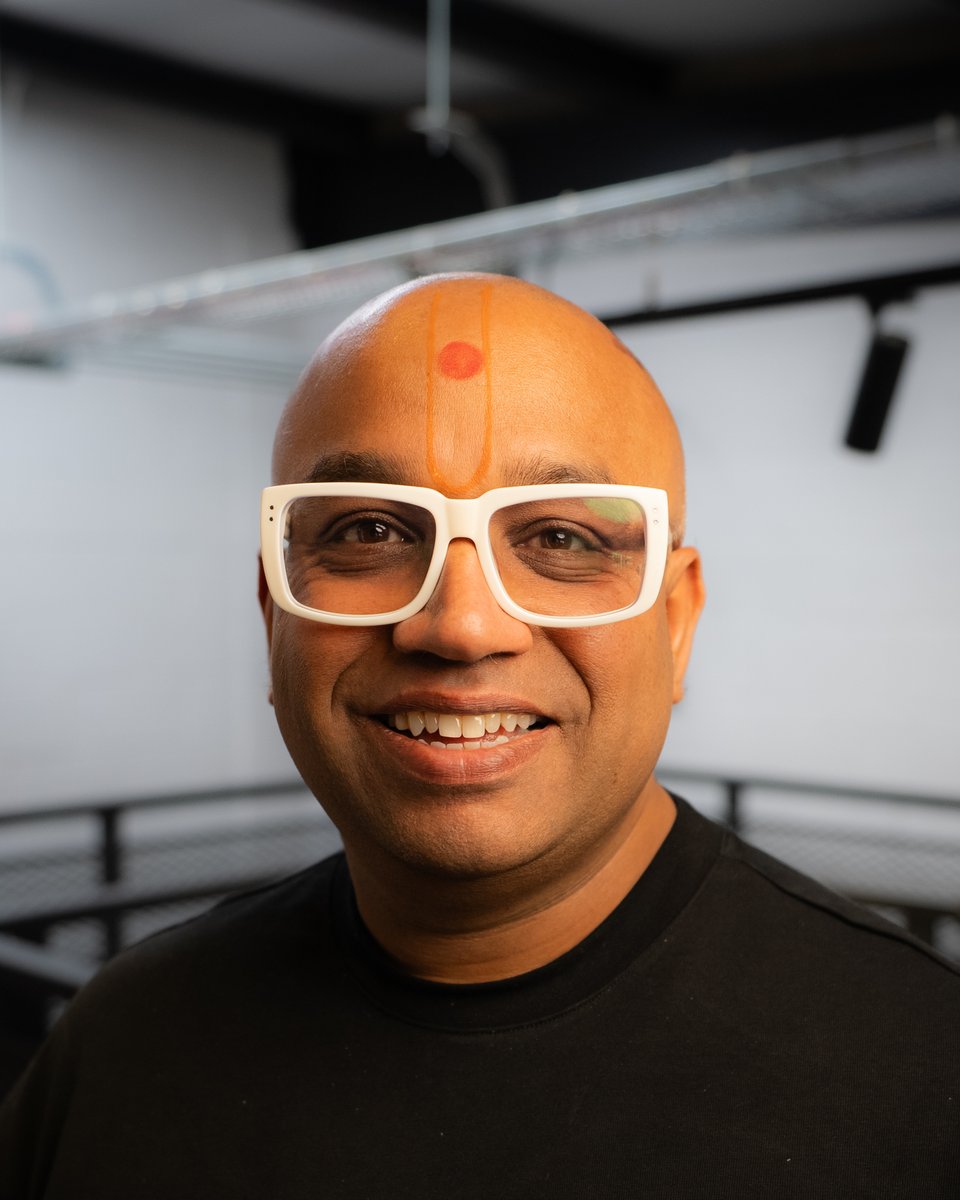
Dr. Bhavin Bhatt
BDS (Lond) 1999 · MFGDP RCS (Eng)
Education
Programme Director, accredited diploma
Founded an academy and directed its master's-level (Level 7) postgraduate diploma: 360 CPD hours, 250+ dentists assessed.
Teaching
1,000+ dentists trained
Senior Instructor, California Centre for Advanced Dental Studies UK. Programmes in the UK, France and Germany.
Research
University research
Digital-first dentistry: routine intraoral scanning, communication and comprehensive care in general dental practice. A 12-month study of 97 general dentists with the University of Manchester, forthcoming in the British Dental Journal.
Practice
20,000+ cosmetic cases
25+ years in practice. Built and sold three practices. Led clinical growth across a ten-practice group. Trained at NYU's Aesthetic Advantage programme.
What your scanner could earn
Run your own numbers.
These start as example figures. Move the sliders to match your practice.
In the Manchester study, dentists went from 0.1 to an average of 3.5 a day.
An example figure. Use your own.
An example figure. Use your own.
Each year, per dentist
£
from accepted treatments, out of routine scans
At 0.1 scans a day, the same figures give £.
Talk through your numbersAn illustration based on the figures you enter, not a forecast or guarantee.
Does this sound familiar?
Your diagnosis is excellent. What happens after it is where cases are lost.
"Let me think about it"
A thorough comprehensive plan, presented well, and the patient goes quiet.
Your technology sits underused
The scanner comes out for new patients and big cases, so the investment never pays its way.
You hold back on the full plan
You see what's needed, but scale it down so it doesn't sound like selling.
The business side was never taught
Team roles, follow-up and the numbers are left to guesswork, so the team cannot carry the conversation without you.
I call this the hesitant dentist.
It isn't a lack of clinical confidence. It's a good dentist protecting their integrity by not pushing. More clinical courses don't change it, because it's a team and conversation problem, not a knowledge problem. The answer is a system where the patient sees the evidence for themselves and the team carries the follow-through.
You shouldn't need to be braver. You need a system where bravery isn't required.
60-second self-check
Where do your cases stall?
Five questions about your practice. Your answers stay on this page.
Do you take full digital records at every recall exam, not just for new patients?
Do patients see their own findings before you present a plan?
Does your whole team explain options in the same words you would?
Does every undecided patient get a structured follow-up?
Can you see how many comprehensive plans each dentist presents and has accepted?
Your score: / 10
Book a 20-minute chat0 of 5 answered. Your result appears when all five are done.
A conversation starter, not a diagnosis of your practice.
The science behind it · Brain, Biology, Behaviour
You're not persuading a mind. You're keeping a nervous system safe enough to think.
Brain
People say yes in small steps
Decision science shows people commit to conclusions they reach themselves. A full comprehensive plan is one big leap. The patient needs a series of small steps they can climb.
Biology
Threat shuts thinking down
Drawing on Dr. Stephen Porges's polyvagal theory: when the nervous system senses a sales pitch, it shifts into fight, flight, freeze or fawn. A patient in that state can't reason or take ownership. A patient who feels safe can.
Behaviour
Dialogue, not monologue
We are trained to present a plan as a monologue. The system replaces it with a guided dialogue, so the patient discovers, asks and decides.
The monologue: one big leap
fight, flight, freeze, fawn
"Let me think about it." The case stalls, and the dentist holds back next time.
The dialogue: small steps they climb
Each step feels safe, so the patient keeps thinking and reaches their own yes.
This is why the hesitant dentist hesitates. They can sense the threat a monologue creates. The answer is not more courage but a better process.
The workflow
Scan → See → Scale
Brain, Biology, Behaviour put into practice. It builds on the comprehensive records you already take, so your regular recall patients can reach comprehensive care through a process your whole team runs.
01 · Scan
Records for every patient, led by the team
Digital records become routine at recall, run by trained team members. Nothing is offered at this stage.
02 · See
The patient discovers it first
Findings are shown before any plan is presented. The patient sees the risk in their own mouth and asks the next question.
03 · Scale
The team carries it through
Phased options, structured follow-up and monitored reviews, so comprehensive care isn't lost after you leave the room.
The evidence
What happened when dentists ran it
University research, forthcoming
97 general dentists, followed for 12 months
Dentists routinely scanning their recall patients
Routine scans per dentist per day (average)
Routine scanning was strongly associated with aligner cases (r = 0.72) and lab activity (r = 0.84). University of Manchester, forthcoming in the British Dental Journal.
In practice
5×
acceptance of comprehensive treatment across a ten-practice group in 90 days, with consultations extended from 15 to 30 minutes
51% → 87%
case finish rate across a ten-practice group, in 90 days
3.6×
median monthly lab activity per dentist, over 12 months
Why coaching, not another course: education meetings alone produce small changes in practice, while training followed by coaching produces far larger gains. That's why I work with practices weekly over three months.
Results describe those UK settings and are not a guaranteed outcome.
Work with me
A three-month programme, built around your practice.
Everything is bespoke: we start from where your practice is and what you want from it.
Coaching built for you
Online coaching for you and your team, shaped around your patients, your team and your goals.
Resources made for your practice
Workflows, conversation guides and team tools created specifically for you, not taken off a shelf.
A review at three months
We look at your progress together. Where it's going well, the programme can be extended for a further six months.
What changes
Your digital investment starts paying for itself.
More recall patients scanned, more patients seeing their own findings, more comprehensive plans accepted, and a team that carries it through. We agree the measures at the start and track them from the first month.
It's a good fit if you
· Have invested in digital technology: intraoral scanning, CBCT or a full digital workflow
· Own or lead a practice
· Are clinically confident, but want the team and business side to match
· Want to bring more comprehensive care to your recall patients
Start with a conversation between colleagues.
Twenty minutes about your practice and what you want from it. If the programme fits, we'll agree a start date.